
15Congratulations on taking the first step towards improving your business with a CRM systems! Trust me, you won’t regret it.
As a beginner, the concept of a CRM system may seem daunting, but don’t worry, it’s not as complicated as it seems.
In fact, it’s going to make your life so much easier and your business so much more successful.
Picture this: no more missed opportunities, no more lost leads, no more disorganized customer data.
With a CRM systems, you’ll have everything in one place and easily accessible.
Your sales team will be able to manage their leads and deals, your marketing team will be able to track their campaigns and analyze their results, and your customer service team will be able to provide personalized and efficient support.
But it’s not just about making your business more efficient. A CRM system will also help you build stronger relationships with your customers.
By keeping track of their interactions with your business, you’ll be able to personalize your communication and provide them with a better experience.
And we all know that happy customers lead to more sales and more business.
So don’t be afraid to take the leap and invest in a CRM system. You’ll thank yourself in the long run.
And if you need any help along the way, remember that there are plenty of resources available to guide you through the process.
Also, another great thing about CRM systems is that they can be tailored to meet the specific needs of your business.
A Beginner’s Guide to CRM Systems: Improve Your Business and Build Stronger Customer Relationships
Whether you’re a small startup or a large corporation, there’s a CRM system out there that will work for you. And once you’ve found the right one, you’ll wonder how you ever managed without it.
But it’s not just about the features and capabilities of a CRM system. It’s also about the peace of mind that comes with knowing that your business is being managed effectively.
No more staying up late worrying about missed opportunities or lost data. With a CRM system, you can rest easy knowing that everything is under control.
And let’s not forget about the impact that a CRM system can have on your bottom line.
By streamlining your processes and improving your customer relationships, you’ll be able to increase your revenue and grow your business. It’s a win-win situation.
Of course, implementing a CRM system will require some time and effort on your part. But trust me, it’s worth it.
And if you’re feeling overwhelmed, just remember that there are plenty of resources out there to help you along the way. From online tutorials to customer support, you’ll never be alone.
So go ahead and take the plunge. Invest in a CRM system and watch your business soar to new heights. You won’t regret it.
Why have a CRM systems?
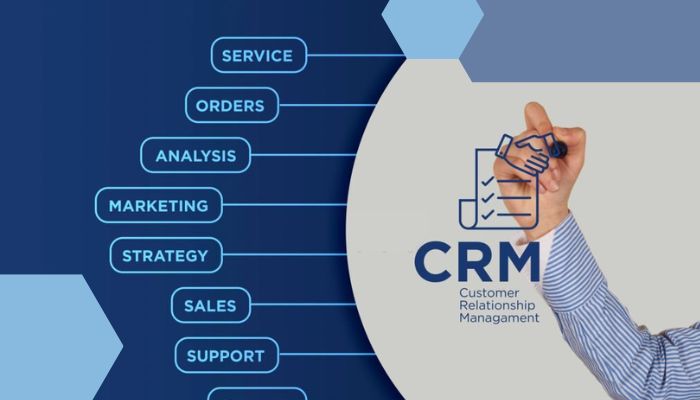
Although, running a business can be tough, and managing customer relationships can be even tougher.
But with a CRM systems, you can take control and turn those relationships into opportunities for growth and success.
By keeping all of your customer data in one place, a CRM system can help you gain valuable insights into your customers’ behaviors, preferences, and needs.
This, in turn, can help you tailor your marketing efforts and sales pitches to better meet their needs and increase your chances of success.
With a CRM system, you can keep track of all your customers’ interactions with your business, making it easier to provide personalized support and ensure their satisfaction.
Basically, this will not only help you retain customers but also attract new ones through positive word-of-mouth.
>>>See also: 7 Best CRM for Small Businesses in 2023
But a CRM system isn’t just about managing your customer relationships. It’s also about streamlining your internal processes and making your team more efficient.
By automating tasks such as data entry and follow-up reminders, your team can spend more time focusing on what really matters: building relationships and closing deals.
In short, a CRM system can help you build stronger relationships with your customers, increase your revenue, and make your team more efficient.
So why not purchase one right away and begin enjoying the advantages? Your business and your customers will thank you for it.
A CRM helps ensure accuracy and efficiency
Before, in a world where time is money and every second counts, accuracy and efficiency are essential to success. And that’s where a CRM system comes in.
The days of manually entering customer information or digging through mountains of documentation to discover what you need are long gone.
With a CRM system, everything is stored in one centralized location, making it easy to access and manage.
You’ll save time and ensure accuracy by doing this. No more worrying about typos or misplaced information.
With a CRM system, you can be confident that your data is up-to-date and error-free.
But it’s not just about data entry. A CRM system can also help you automate tasks such as follow-up reminders and appointment scheduling, freeing up your team to focus on what really matters: building relationships and closing deals.
And let’s not forget about the impact that accuracy and efficiency can have on your bottom line.
By reducing errors and streamlining your processes, you can increase your productivity and revenue. It’s a win-win situation.
So if you want to ensure accuracy and efficiency in your business, don’t hesitate to invest in a CRM systems. You’ll be astounded by the impact it can have.
What accomplishes a CRM system? Are you weary of maintaining your customer relationships and data manually? Are you interested in expanding your company?
CRM system can also help you automate tasks
So what exactly does a CRM system do? Well, in short, it helps you manage your customer relationships more efficiently and effectively.
With a CRM system, you can keep all of your customer data in one centralized location, making it easy to access and manage.
This includes everything from contact information to purchase history to interactions with your business.
By keeping track of all of this information, you can gain valuable insights into your customers’ behaviors, preferences, and needs.
This, in turn, can help you tailor your marketing efforts and sales pitches to better meet their needs and increase your chances of success.
But a CRM system isn’t just about managing your customer relationships. It’s also about streamlining your internal processes and making your team more efficient.
By automating tasks such as data entry and follow-up reminders, your team can spend more time focusing on what really matters: building relationships and closing deals.
With a CRM system, you can keep track of all your customers’ interactions with your business, making it easier to provide personalized support and ensure their satisfaction.
This will not only help you retain customers but also attract new ones through positive word-of-mouth.
In short, a CRM system can help you build stronger relationships with your customers, increase your revenue, and make your team more efficient. Your clients and business will appreciate it.
Key features of a CRM system
Following, as a business owner, you know how important it is to manage your customer relationships effectively. And that’s where a CRM system comes in.
A CRM system offers a range of features designed to help you manage your customer data and relationships more efficiently and effectively.
Furthermore, one of the key features of a CRM system is centralized customer data storage.
With all of your customer data in one place, you can easily access and manage it, including everything from contact information to purchase history to interactions with your business.
Another important feature is automation. A CRM system can help you automate tasks such as data entry, follow-up reminders, and appointment scheduling, freeing up your team to focus on what really matters: building relationships and closing deals.
But a CRM system isn’t just about managing customer relationships. It’s also about streamlining your internal processes and making your team more efficient.
This is why features like reporting and analytics are so important. With a CRM system, you can gain valuable insights into your customers’ behaviors, preferences, and needs, allowing you to make more informed business decisions.
Not to mention the significance of customer service. A decent CRM system will include tools such as case management and support ticket monitoring, making it easier to give personalized help and assure customer satisfaction.
In short, a CRM system offers a range of key features designed to help you manage your customer relationships more efficiently and effectively.
So don’t wait to make an investment in one today if you want to grow your company. Your business and your customers will thank you for it.
Evaluating and comparing types of CRM systems
However, choosing the right CRM system can be a daunting task. There are so many options out there, each with their own unique features and benefits.
But don’t worry, you can select the ideal CRM system for your company with a little investigation and thought.
When evaluating and comparing types of CRM systems, there are several key factors to consider.
First and foremost, you must analyze your company’s requirements. What do you hope to accomplish with your CRM system?
Do you require a system centered on sales, marketing, or customer service? Do you require a system capable of handling massive amounts of data?
You may reduce your options and find a CRM system that matches your specific needs by answering these questions. Another critical issue to consider is usability.
A CRM system that is difficult to navigate or requires extensive training can be a major barrier to adoption.
Look for a system that is intuitive and user-friendly, with clear instructions and helpful support resources.
Cost is also an important consideration. While some CRM systems can be quite expensive, others are more affordable, making them a better option for small businesses or startups.
Just be sure to consider the total cost of ownership, including any setup, maintenance, or support fees.
When evaluating and comparing types of CRM systems, it’s also important to consider the level of customization and flexibility offered.
Look for a system that can be tailored to your unique business needs, with the ability to add or remove features as your business evolves.
In short, evaluating and comparing types of CRM systems can be overwhelming, but by considering your business needs, ease of use, cost, customization, and flexibility, you can find the perfect system to take your business to the next level.
CRM systems for a changing world
The world is changing rapidly, and businesses need to adapt in order to thrive. That’s why it’s more important than ever to invest in a CRM system that can keep up with the pace of change.
In today’s world, customers expect personalized and seamless experiences across all channels.
This means that your CRM system needs to be able to handle multiple touchpoints, from social media to email to in-person interactions.
It needs to be agile and adaptable, able to integrate with a range of other systems and technologies to provide a seamless customer experience.
But it’s not just about customer experience. A CRM system for a changing world also needs to be able to handle changing business needs.
As your business grows and evolves, your CRM system needs to be able to grow and evolve with it.
This means having the flexibility to add or remove features, customize workflows, and adapt to new business processes.
In addition, a CRM system for a changing world needs to be able to handle changing regulations and compliance requirements.
With new privacy laws and data protection regulations being introduced all the time, your CRM system needs to be able to keep up and ensure that you remain compliant.
Ultimately, a CRM system for a changing world needs to be future-proof. It needs to be able to evolve and adapt to meet the ever-changing needs of your business and your customers.
So when choosing a CRM system, be sure to look for one that offers agility, flexibility, and future-proofing.
With the right system in place, you can take your business to new heights and stay ahead of the competition, no matter what the future holds.
How choose best CRM System?
Choosing the best CRM system for your business can be overwhelming, but it doesn’t have to be.
By focusing on a few key factors, you can find a CRM system that meets your specific needs and helps you grow your business.
You must first and foremost take your company’s needs into account. What goals do you have for your CRM system?
Do you require a system that emphasizes customer service, marketing, or sales? Do you require a system that can manage enormous data volumes?
You can reduce your selections and find a CRM system that suits your requirements by responding to these questions.
Meanwhile, a CRM system that is challenging to use or requires a lot of training may be a significant roadblock to adoption.
Look for a system that is intuitive and user-friendly, with clear instructions and helpful support resources.
Cost is also an important consideration. While some CRM systems can be quite expensive, others are more affordable, making them a better option for small businesses or startups.
Just be sure to consider the total cost of ownership, including any setup, maintenance, or support fees.
Customization and flexibility are also important factors to consider. Look for a system that can be tailored to your unique business needs, with the ability to add or remove features as your business evolves.
Finally, you should consider the level of support and resources offered by the CRM system provider.
Look for a provider that offers helpful support resources, including online tutorials, user guides, and a responsive support team.
Choosing the best CRM system for your business can be a daunting task, but by focusing on your specific needs, ease of use, cost, customization, and support resources, you can find a system that helps you grow your business and exceed your customers’ expectations.

Editora responsável por conteúdos do portal Noticias no Mundo. Jornalista formada pela PUC-SP, escreve sobre conteúdos diversos em várias categorias.